
When Art Is Censored, the Story Doesn’t Disappear
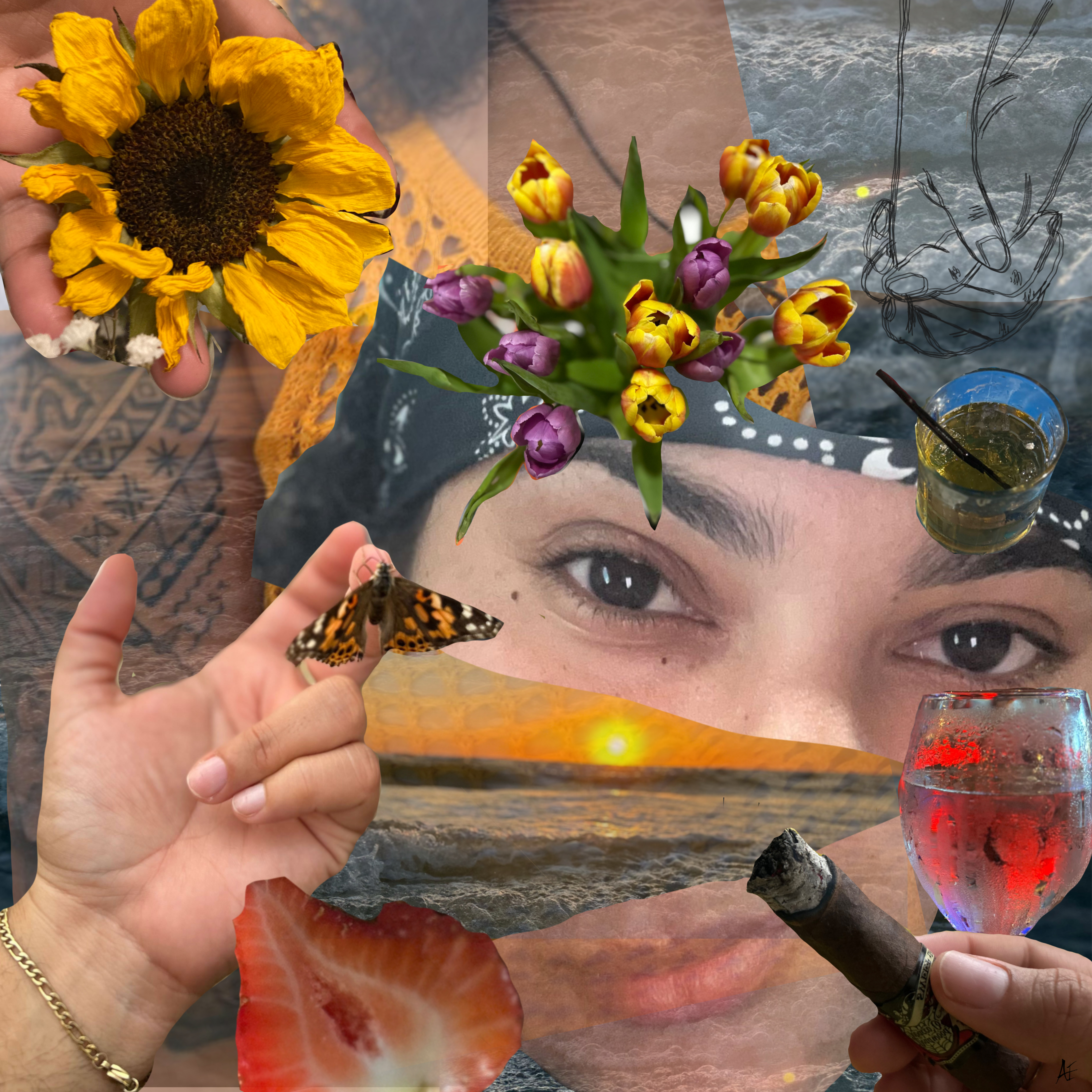
My name is Alexa Espinosa. I’m a multidisciplinary artist and cultural storyteller based in St. Petersburg, Florida, and recently, I experienced something that sat heavy with me, something I’m still processing.
I was part of a community art exhibition centered on reclaiming untold stories within the Latine community. It was meant to be a space for reflection, dialogue, and truth-telling. A space where our histories, experiences, and voices could exist fully and honestly.
But parts of it were censored.
Words and phrases like Border Patrol, Concrete Cages, Colonial Lies, Colonizer, White Supremacy, Independent Activist, Surveillance, Colonial Structures, and Resistance were removed. Seeing that happen raised a deeper question for me:
Who gets to tell our stories, and what parts of those stories are considered “acceptable” in public spaces?
Because the truth is, our histories are not always comfortable. They’re layered, complex, and at times, painful. But that doesn’t make them any less real. And it definitely doesn’t make them any less worthy of being spoken, seen, and remembered.
In response, our organization, Mi Gente Mi Pueblo, organized a peaceful and silent protest in less than 24 hours.
That night, we showed up together, quietly, but intentionally.
Some of us wore quotes on our clothing and accessories that read:
“You Can’t Censor History,”
“Art Is Revolution,”
“You Can’t Censor Our Stories,”
“Don’t Silence Art.”
We also wore “My Name Is” tags, each one carrying a censored word. We became the words that were removed. We will not shy away from words that once oppressed us.
Because even when something is taken off a wall, it doesn’t disappear. It lives in us. In how we show up. In how we speak. In how we remember.
We also handed out small flyers designed to look like parking citations, placing them on cars in the parking lot. Each one let attendees know that the exhibition they had just experienced had been censored.
It wasn’t loud. It wasn’t disruptive. But it was felt.
And that moment reminded me of something I hold close in my work, whether through art, writing, or community:
When our stories are challenged or silenced, we don’t disappear.
We gather. We respond. We find ways to carry the story forward.
For me, writing has become an extension of that. A way to preserve what happens in these spaces, to reflect on the moments that don’t always make it into official narratives, and to make sure they are not lost.
Because art is not just about what is displayed. It’s about what is remembered. What is protected. And what we choose to continue telling, no matter what.
Comments